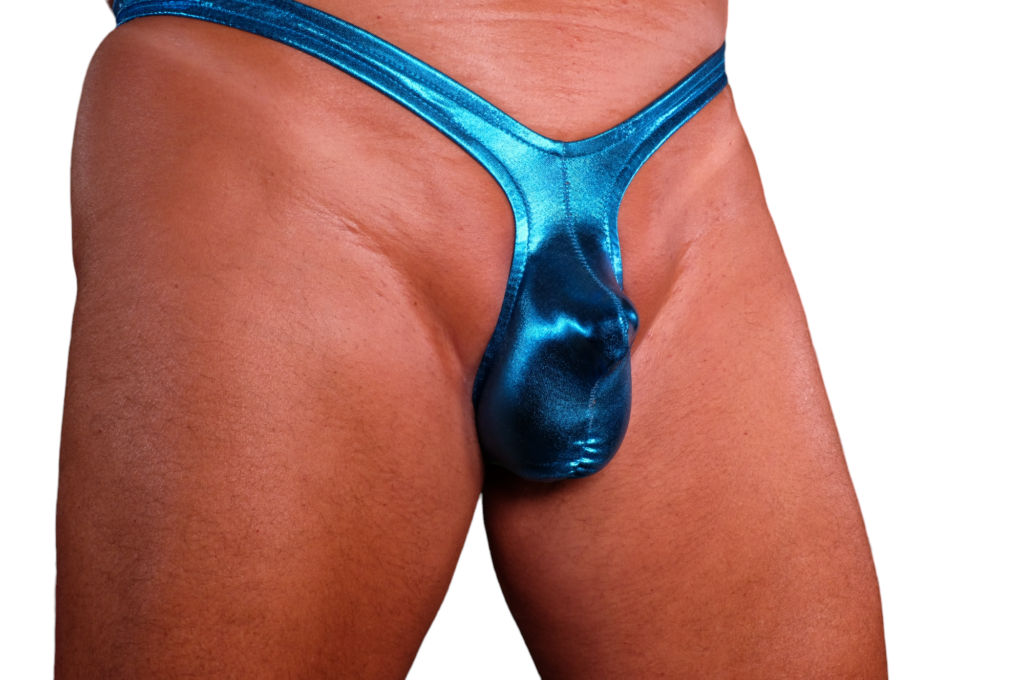

Bikini Swimwear for Men: The Complete Guide to Men’s Bikini Swimsuits
Men’s swimwear has changed dramatically. For decades, the typical choices were relatively predictable: board shorts, swim trunks, racing briefs, or traditional Speedo-style suits. Today, there is another category that has moved increasingly into the spotlight: bikini swimwear for men.
Men’s bikinis combine minimal coverage, lightweight construction, body-conscious styling, and the freedom of stretch fabrics such as Lycra and spandex. Designs range from relatively conservative bikini briefs to Brazilian cuts, string bikinis, micro bikinis, thong hybrids, and extremely minimal styles.
Perhaps the biggest change is not simply that smaller swimsuits exist. It is that more men are questioning why swimwear has to follow traditional gender rules at all.
A man may want a bikini because he likes the fit. Another may prefer the smaller tan lines. Some enjoy showing their physique. Others simply think a bikini is more attractive than baggy shorts. Gay, straight, bisexual, transgender, gender-fluid, nonbinary, and gender-nonconforming people can all arrive at the same conclusion:
Wear the swimsuit that feels right for you.
This guide explores men’s bikini swimwear, how the category differs from traditional swim briefs, the major styles available, how to choose the right fit, and why bikinis have become an increasingly visible part of modern men’s swimwear.
What Is a Men’s Bikini Swimsuit?
A men’s bikini swimsuit is generally a close-fitting, brief-style swimsuit with substantially less fabric than conventional swim trunks or shorts.
The exact definition is flexible. Men’s bikinis may have narrow sides, high-cut legs, reduced rear coverage, a contoured front pouch, or some combination of these characteristics.
Many are constructed from stretch materials such as:
- Nylon/spandex
- Polyester/spandex
- Lycra-blend fabrics
- Supplex and similar stretch materials
- Stretch microfiber
The elasticity of these fabrics allows designers to create swimsuits that fit extremely close to the body while remaining flexible enough for swimming, sunbathing, and beach activities.
The bikini category is especially broad because there is no single standardized amount of coverage required for a swimsuit to qualify as a men’s bikini.
One brand’s bikini might resemble a traditional racing brief. Another could be dramatically smaller.
That variety is part of the attraction.
Men’s Bikini vs. Traditional Swim Brief
The dividing line between a men’s swim brief and men’s bikini can be blurry.
A conventional racing or Speedo-style swim brief is designed primarily around swimming and athletic performance. It normally provides secure front and rear coverage with moderately wide sides.
A bikini is usually more fashion oriented.
Compared with a traditional swim brief, a bikini may feature:
- Narrower sides
- Higher-cut legs
- Lower waistlines
- Smaller front panels
- More sculpted pouches
- Reduced rear coverage
- Brazilian-style backs
- String sides
- More adventurous colors and prints
There is considerable overlap between the categories.
Think of the traditional swim brief as one end of a spectrum rather than a completely separate garment.
That spectrum might look something like:
Swim brief → bikini → Brazilian bikini → micro bikini → thong bikini → G-string → ultra-minimal swimwear
Men can move anywhere along that spectrum according to their preferences.
Why Are Men Wearing Bikini Swimwear?
There isn’t one reason.
Men choose bikinis for many of the same reasons women have chosen bikinis for generations: they like how they look and feel.
Less Fabric
A bikini eliminates much of the material found in swim trunks.
For someone who spends hours swimming, sunbathing, or walking around a beach, that can feel remarkably liberating.
There is no wet fabric hanging around the thighs and considerably less material to dry.
Better Tanning
For serious sunbathers, smaller swimsuits mean smaller tan lines.
Moving from board shorts to a bikini exposes significantly more of the thighs and hips.
Moving from a conventional bikini to a Brazilian or micro style reduces those lines further.
Body-Conscious Styling
A bikini follows the body’s natural shape rather than hiding it.
Men who work hard on their fitness may enjoy wearing something that highlights their legs, hips, glutes, and overall physique.
But bikinis are certainly not reserved for fitness models.
Men of practically every body type wear them.
Comfort
A properly fitted spandex bikini can feel extremely lightweight.
Rather than fabric moving independently around the body, the swimsuit moves with you.
For many men, once they become accustomed to fitted swimwear, going back to heavy board shorts can feel unnecessary.
Fashion
Swimwear is fashion.
Men increasingly have access to the same kind of experimentation women have enjoyed for years: different cuts, colors, fabrics, prints, silhouettes, and coverage levels.
That makes shopping for swimwear considerably more interesting.
The Evolution of Men’s Bikini Swimwear
Men’s swimsuits have actually moved back and forth between smaller and larger silhouettes for generations.
Brief swimwear became especially associated with competitive swimming and European beach culture during the twentieth century. In many parts of Europe, South America, and Australia, fitted swim briefs have long been commonplace.
Elsewhere, particularly in the United States, long swim trunks and board shorts became dominant men’s styles.
Fashion rarely stays still.
The modern men’s swimwear market now includes both extremes.
A shopper can find knee-length board shorts and a micro bikini in the same broad category.
That variety represents a larger shift in men’s fashion. Men increasingly have permission to make clothing decisions based on individual style rather than a narrow definition of what menswear is supposed to look like.
Popular Men’s Bikini Styles
One of the most interesting things about men’s bikini swimwear is how many variations now exist.
Classic Bikini
The classic men’s bikini is an excellent introduction to minimal swimwear.
It generally provides:
- Full or nearly full front coverage
- Full rear coverage
- Narrower sides than a traditional swim brief
- A lower-rise waist
- High-cut legs
This style provides the visual appearance of a bikini without becoming extremely revealing.
For someone moving from swim trunks or conventional racing briefs, this can be an easy transition.
Low-Rise Bikini
A low-rise bikini sits significantly below the natural waist.
This creates a long-torso appearance and exposes more of the lower abdomen and hips.
Low-rise designs are particularly popular in fashion-oriented men’s swimwear because they create a distinctly different silhouette from conventional athletic briefs.
High-Cut Bikini
High-cut bikinis raise the leg openings toward the hips.
The result can visually lengthen the legs while reducing fabric around the upper thighs.
Some designs use moderately high cuts, while others extend dramatically upward toward the hip.
The higher the leg opening becomes, the more important precise fit becomes.
Brazilian Bikini
Brazilian cuts reduce rear coverage while stopping short of becoming a full thong.
The back may cover approximately half to three-quarters of the buttocks depending on the design.
This style creates a compromise between a conventional bikini and thong.
For men interested in increasingly minimal swimwear, Brazilian bikinis can be an appealing intermediate step.
String Bikini
String bikinis replace conventional side panels with narrow straps or strings.
The front and rear panels may remain relatively substantial, but the tiny sides make the entire swimsuit look considerably smaller.
String sides also visually blur the distinction between traditional men’s and women’s bikini construction.
For shoppers interested in gender-fluid fashion, that can be part of the appeal.
Micro Bikini
The micro bikini takes the basic bikini concept and reduces coverage substantially.
A men’s micro bikini may have:
- Very narrow sides
- A tiny front pouch
- Reduced rear coverage
- Extremely low-rise construction
- High-cut legs
Micro bikinis are primarily about minimalism.
They are generally more appropriate for sunbathing, resort settings, private pools, permissive beaches, and similar environments than competitive swimming.
Thong Bikini
A thong bikini combines a bikini-style front with dramatically reduced rear coverage.
Instead of covering the buttocks, the rear narrows into a thong.
The side width can vary considerably.
Some men’s thong bikinis have conventional bikini sides. Others use strings or very narrow straps.
Thongs have become an important part of the broader movement toward smaller men’s swimwear.
G-String Swimwear
A G-string takes minimal rear coverage another step.
The back typically consists of a narrow string connected to a small waistband.
The front can range from a conventional pouch to an extremely small triangle.
G-strings remain considerably more daring than standard bikinis, but their existence demonstrates just how broad the men’s swimwear market has become.
Micro and Ultra-Micro Designs
At the extreme end of men’s bikini swimwear are micro and ultra-micro designs.
These suits intentionally use the smallest practical amount of fabric.
Some focus on tiny front coverage. Others minimize the rear. Some reduce practically every part of the swimsuit.
These designs are specialty fashion rather than universal beachwear, and local rules and venue expectations matter.
A swimsuit suitable for a private pool party may not be suitable for a family-oriented municipal swimming pool.
Knowing the environment is part of wearing minimal swimwear successfully.
Men’s Bikini Pouch Designs
One major difference between many men’s and women’s bikinis is front construction.
Men’s bikinis frequently use a pouch engineered around male anatomy.
There are several common approaches.
Contoured Pouch
A contoured pouch follows the body’s shape and provides additional room in front.
It can create a natural but defined silhouette.
Enhancing Pouch
Some bikinis deliberately emphasize the front.
Construction techniques can position the anatomy forward or create a more pronounced outline.
This is primarily an aesthetic choice.
Compression Pouch
Other swimsuits take the opposite approach.
A compression pouch keeps everything close to the body and can create a smoother, smaller-looking profile.
Flat-Front and Gender-Neutral Designs
Another emerging category minimizes traditional pouch construction altogether.
These styles may appeal to men who simply prefer a smoother silhouette as well as gender-fluid, nonbinary, transfeminine, or gender-nonconforming wearers.
Some specialized swimwear goes further with tucking-compatible construction intended to create a flatter front profile.
The growth of these alternatives demonstrates an important development: men’s bikini swimwear no longer has to emphasize masculinity in exactly the same way for every wearer.
Men’s and Women’s Bikini Designs Are Getting Closer
One of the most interesting developments in swimwear fashion is the gradual crossover between men’s and women’s designs.
Historically, swimwear departments made the distinction obvious.
Men got trunks or briefs.
Women got bikinis and one-piece suits.
That division is becoming much less absolute.
Modern men’s bikinis may incorporate elements historically associated with women’s swimwear, including:
- String sides
- Scrunch backs
- Brazilian rear cuts
- High-leg silhouettes
- Tiny triangle fronts
- Pastel colors
- Metallic fabrics
- Floral prints
- Shiny Lycra
- Minimalist waistbands
At the same time, shoppers are increasingly willing to buy clothing based on fit and appearance rather than the gender printed on the label.
The result is a growing gender-fluid swimwear aesthetic.
A tiny black string bikini, for example, may look almost identical from behind regardless of whether it was marketed to men or women. The primary construction difference may simply be the shape of the front panel.
Choosing Your First Men’s Bikini
If you’ve spent your entire life wearing board shorts, putting on a bikini for the first time can feel like a dramatic change.
You don’t have to jump immediately to the smallest suit available.
A gradual progression works well for many people.
You might begin with:
Board shorts → fitted swim shorts → traditional swim brief → bikini → Brazilian bikini → micro bikini or thong
There is no requirement to progress beyond any particular point.
You may discover that a conventional bikini is exactly what you wanted.
Another person might wear one and immediately decide that they want something considerably smaller.
Personal preference is the entire point.
Getting the Fit Right
Fit matters more as swimsuits become smaller.
Board shorts can tolerate some variation in sizing. Micro bikinis generally cannot.
A good men’s bikini should remain securely positioned during normal movement without painfully digging into the skin.
Pay attention to:
- Waist measurement
- Hip measurement
- Pouch dimensions
- Fabric stretch
- Side width
- Front rise
- Rear rise
- Leg opening
Do not assume your size will be identical across brands.
Read each manufacturer’s sizing information.
Fabric Makes a Major Difference
A bikini’s appearance can change dramatically depending on its fabric.
Matte Spandex
Matte fabrics create a clean, athletic appearance and tend to be relatively understated.
Shiny Lycra
Shiny stretch materials emphasize the contours of the swimsuit and create a more fashion-forward appearance.
Metallic Fabrics
Metallic finishes are designed to attract attention and work especially well for parties, resorts, and statement swimwear.
Prints
Modern men’s bikinis are available in everything from tropical prints to geometric patterns and animal designs.
Sheer and Semi-Sheer Materials
Some specialty swimwear incorporates mesh or fabrics that become more transparent when wet.
These designs require considerably more awareness of venue rules and public-decency standards than conventional swimwear.
Color and the Men’s Bikini
Color can completely change the personality of the same swimsuit.
Black is timeless and visually simple.
White can create a striking contrast against tanned skin, although shoppers should always consider whether a white swimsuit becomes transparent when wet.
Bright colors such as neon yellow, pink, orange, turquoise, and lime create a playful beach appearance.
Pastels can produce a softer aesthetic.
Prints allow even more experimentation.
Men no longer need to restrict themselves to navy blue, gray, and black simply because those colors have traditionally dominated menswear.
Where Can Men Wear Bikini Swimsuits?
A conventional men’s bikini is accepted at many beaches, pools, resorts, spas, and cruise destinations.
Very minimal swimwear requires more judgment.
Consider the venue.
A busy family pool is different from an adults-only resort.
A competitive swimming facility is different from a beach.
A conservative hotel is different from a gay resort or clothing-optional destination.
Before wearing an unusually minimal swimsuit, check:
- Posted dress codes
- Resort policies
- Pool regulations
- Local laws
- Cultural expectations
The objective isn’t to hide your style. It is simply to match your swimwear to the environment.
Bikini Swimwear and Body Types
There is no body type requirement for wearing a bikini.
You do not need six-pack abs.
You do not need enormous legs.
You do not need to look like a swimwear model.
The important question is whether you enjoy wearing it.
Different cuts can nevertheless create different visual effects.
High-cut legs can make legs appear longer.
Low-rise designs can visually lengthen the torso.
Narrow sides emphasize the hips.
Brazilian backs emphasize the glutes.
Darker solid colors tend to create a simpler silhouette, while bright colors and prints attract more visual attention.
Experimentation is often the easiest way to discover what you prefer.
Grooming and Men’s Bikini Swimwear
Smaller swimwear exposes areas of the body that trunks normally cover.
That makes grooming another personal decision.
Some bikini wearers prefer natural body hair.
Others trim.
Others shave, wax, or use longer-term hair-removal methods.
There is no requirement.
However, if you plan to shave immediately before wearing a bikini, irritation can become uncomfortable, particularly when combined with saltwater, chlorine, heat, and tight elastic.
Planning grooming ahead of time can help reduce irritation.
Swimming in a Men’s Bikini
Minimal does not necessarily mean impractical.
A properly constructed bikini can be excellent for swimming.
In fact, traditional swim briefs became popular with competitive swimmers precisely because close-fitting garments reduce loose material in the water.
For active swimming, however, security matters.
Look for:
- Reliable waist construction
- Adequate stretch recovery
- Secure front coverage
- Chlorine-resistant fabric
- Strong stitching
- A drawstring when appropriate
A tiny sunbathing bikini may not be the best suit for diving into waves.
Different designs serve different purposes.
Caring for Spandex Bikini Swimwear
Good swimwear can last considerably longer with proper care.
After swimming, rinse the suit in fresh, cool water.
Chlorine, salt, sunscreen, body oils, and heat can gradually damage elastic fibers.
When washing, follow the manufacturer’s instructions. Gentle washing is generally preferable to aggressive machine cycles.
Avoid excessive heat.
High-temperature dryers can shorten the lifespan of spandex and elastic components.
Allowing swimwear to air dry can help preserve its stretch and shape.
From Speedos to Bikinis
For many men, the easiest route into bikini swimwear begins with the traditional racing brief.
A Speedo-style brief already introduces the fundamental experience of wearing fitted, minimal swimwear.
Once that feels normal, moving to a narrower bikini may not seem particularly dramatic.
The sides become smaller.
Then perhaps the waist becomes lower.
Maybe the legs become higher.
Eventually you may find yourself looking at a micro bikini and thinking:
That actually looks pretty good.
This gradual progression has helped expand men’s swimwear beyond the old board-shorts-versus-Speedos debate.
There are now dozens of steps in between—and many beyond.
Bikini Swimwear for Gay Men
Bikinis have long been visible within gay beach, resort, cruise, and pool-party culture.
Fashion experimentation and body-conscious swimwear have helped push men’s swimwear toward more adventurous designs.
However, calling bikinis exclusively “gay swimwear” is increasingly inaccurate.
A swimsuit does not communicate someone’s sexual orientation.
Straight, bisexual, and gay men can all wear exactly the same bikini for completely different reasons—or simply because they like it.
Bikini Swimwear for Gender-Fluid Fashion
The bikini is also becoming increasingly relevant to gender-fluid fashion.
Traditional menswear often exaggerates masculine proportions.
Gender-fluid swimwear doesn’t necessarily follow those rules.
Some wearers deliberately choose styles that soften or feminize their silhouette.
Others simply don’t care whether a swimsuit looks traditionally masculine or feminine.
String bikinis, high-cut designs, Brazilian backs, flat-front swimwear, pastel colors, and traditionally feminine prints provide countless opportunities for experimentation.
For some people, this is purely fashion.
For others, swimwear becomes a way to explore gender presentation.
Both are legitimate reasons to choose a particular style.
Can Men Wear Women’s Bikinis?
Men can wear any garment that fits them and complies with the rules of the location where they are wearing it.
The practical challenge is anatomy rather than gender.
Many women’s bikini bottoms have relatively narrow front panels and are not constructed to accommodate male anatomy securely.
Some men nevertheless find women’s bikini bottoms that fit comfortably.
Others prefer men’s bikini designs that reproduce the aesthetics of women’s swimwear while providing appropriate front construction.
The expanding gender-fluid swimwear market is increasingly bridging that gap.
How Small Can Men’s Bikinis Get?
Extremely small.
The men’s specialty swimwear market includes designs that would have been difficult to imagine as mainstream commercial products a few decades ago.
There are:
- Micro bikinis
- Ultra-micro bikinis
- String bikinis
- Thong bikinis
- G-strings
- Minimal pouches
- Brazilian designs
- Low-rise micros
- Gender-neutral micros
- Flat-front styles
At the extreme end, the garment may consist of little more than the coverage necessary to function as swimwear.
Whether those designs are appropriate depends heavily on where they are worn.
But their popularity demonstrates how far men’s swimwear has expanded.
The Psychological Shift From Trunks to Bikinis
One of the biggest obstacles to wearing a bikini often isn’t physical.
It’s simply unfamiliarity.
Someone accustomed to knee-length board shorts may feel extremely exposed the first time they put on a bikini.
That reaction doesn’t necessarily mean the swimsuit is objectively extreme.
It may simply mean the wearer hasn’t adjusted to seeing so much of their own body exposed.
The same phenomenon occurs with many clothing changes.
After wearing a bikini several times, what initially seemed incredibly small may begin to feel completely normal.
That is when many men start experimenting with additional cuts.
The Future of Men’s Bikini Swimwear
Men’s swimwear is unlikely to return to a world where everyone is expected to wear essentially the same thing.
The direction is toward more choice.
Traditional trunks aren’t disappearing.
Neither are board shorts.
But they now coexist with increasingly diverse alternatives.
Expect continued growth in:
- Men’s bikini swimsuits
- Micro swimwear
- Thong swimwear
- Gender-neutral designs
- Gender-fluid swimwear
- Brazilian cuts
- String bikinis
- Minimalist swim briefs
- Feminine-inspired men’s swimwear
- Athletic fashion bikinis
The distinction between “men’s” and “women’s” swimwear may also continue becoming less important.
Fit, anatomy, style, coverage, and personal expression can be more useful ways to describe a swimsuit than gender alone.
Frequently Asked Questions About Men’s Bikini Swimwear
Do men really wear bikini swimsuits?
Yes. Men’s bikinis are an established swimwear category and include everything from traditional bikini briefs to micro, Brazilian, string, and thong designs.
What is the difference between a Speedo and a men’s bikini?
A traditional Speedo-style racing brief is primarily athletic in design. Men’s bikinis are generally more fashion-oriented and may feature narrower sides, lower rises, higher legs, smaller pouches, or reduced rear coverage.
Can straight men wear bikinis?
Of course. Swimwear does not determine sexual orientation. Straight, gay, bisexual, and other men can choose the same styles.
Are men’s bikinis comfortable?
A properly fitted bikini can be extremely comfortable because there is very little excess fabric. Correct sizing and appropriate pouch construction are particularly important.
Are men’s bikinis good for swimming?
Many are. For serious swimming, choose a secure athletic bikini or brief rather than an extremely minimal fashion design.
What is a men’s micro bikini?
A micro bikini is a reduced-coverage version of a standard bikini. It usually has narrower sides and smaller front and/or rear panels.
What comes after a bikini if I want less coverage?
Common options include Brazilian bikinis, micro bikinis, thong bikinis, G-strings, and ultra-micro designs.
Can men wear feminine bikini styles?
Yes. Men’s swimwear increasingly incorporates traditionally feminine design elements, and some brands specifically create gender-fluid or feminine-styled bikinis with male-compatible front construction.
Are men’s thong swimsuits becoming more common?
Thong swimwear remains less common than trunks and conventional briefs, but it has become a much more visible part of specialty men’s swimwear and fashion-oriented beachwear.
What is the best bikini for a first-time wearer?
A classic low-rise bikini or moderately narrow swim brief is usually an easy starting point. It provides the experience of minimal swimwear while maintaining relatively conventional coverage.
Men’s Bikini Swimwear Is About Choice
The most important development in men’s swimwear isn’t that bikinis are getting smaller.
It is that the rules are getting bigger.
Men now have access to an extraordinary range of swimwear—from long board shorts to tiny string bikinis—and there is no reason every man needs to make the same choice.
Some want athletic swim briefs.
Some want Brazilian bikinis.
Some want thongs.
Some want micro suits.
Some prefer masculine pouch designs, while others gravitate toward gender-neutral or feminine styling.
And some simply want the smallest, lightest swimsuit they feel comfortable wearing.
That diversity is transforming the category.
Bikini swimwear for men represents a larger movement toward freedom in men’s fashion: less concern about what men are traditionally supposed to wear and more emphasis on fit, function, personal style, and individual expression.
For the modern swimsuit shopper, the question is no longer whether men can wear bikinis.
The more interesting question is:
Which bikini do you want to wear?