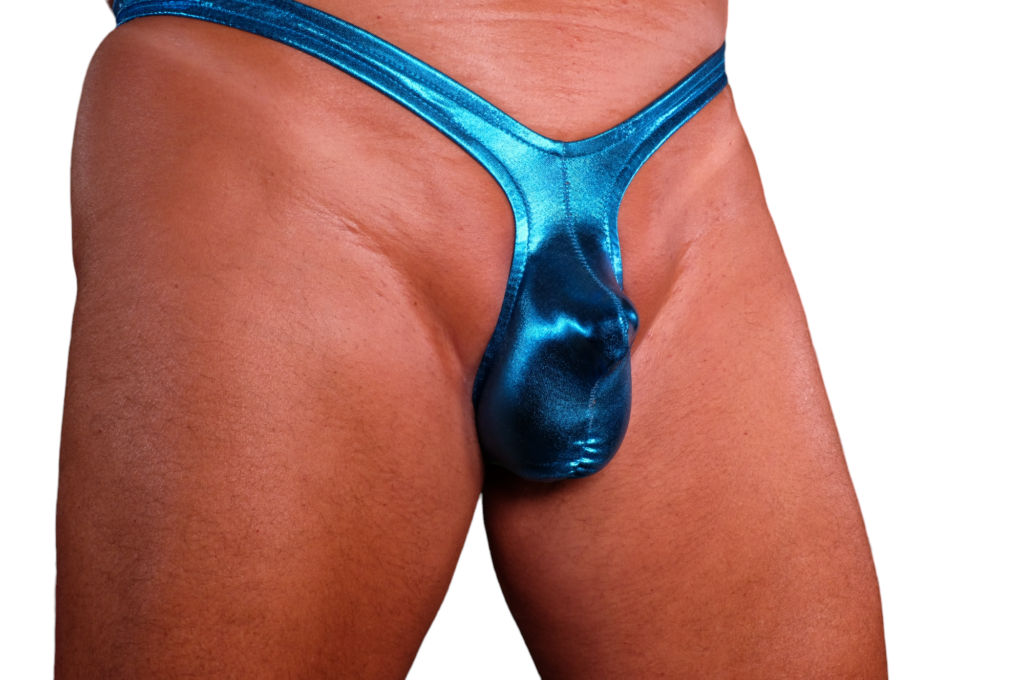

Swimwear for Men: The Rise of Spandex Bikinis, Thongs, G-Strings, and Micro Styles
Men’s swimwear has undergone a remarkable transformation over the past several decades. While board shorts and baggy trunks once dominated beaches and pools throughout much of North America, today’s swimwear market offers a far wider range of options. Men are increasingly embracing body-conscious styles made from modern spandex fabrics, including bikinis, thongs, G-strings, and ultra-minimal micro designs.
These contemporary swimwear styles are no longer limited to competitive swimmers, bodybuilders, or niche fashion communities. Around the world, men of all ages and body types are discovering the comfort, freedom, and confidence that smaller swimwear designs can provide.
The Evolution of Men’s Swimwear
Historically, men’s swimwear was often much smaller than many people realize. Throughout the mid-20th century, brief swimwear was common on beaches across Europe, South America, Australia, and parts of the United States.
During the 1980s and 1990s, however, oversized board shorts became increasingly popular. Inspired by surfing culture, many men moved toward longer and looser styles that emphasized coverage rather than body contour.
Today, the trend is shifting once again. Men are rediscovering streamlined swimwear that prioritizes comfort, freedom of movement, and a flattering fit.
The growth of social media, international travel, fitness culture, and body positivity has encouraged many men to explore swimwear styles that would have seemed unusual to them just a generation ago.
Why Spandex Changed Everything
The modern swimwear revolution is closely tied to advances in fabric technology.
Spandex, often blended with nylon or polyester, provides several advantages:
- Exceptional stretch and recovery
- Lightweight comfort
- Quick drying performance
- Shape retention
- Freedom of movement
- Enhanced body contouring
Unlike older swimwear fabrics, modern spandex allows designers to create garments that fit closely without feeling restrictive.
This flexibility has made it possible for smaller, more athletic-looking swimwear styles to become increasingly mainstream.
The Popularity of Men’s Bikini Swimwear
Bikini swimwear remains one of the most popular alternatives to traditional trunks.
Men’s swim bikinis typically feature:
- Narrow side panels
- Low-rise waistlines
- Athletic cuts
- Minimal excess fabric
- Enhanced freedom of movement
Many men discover that bikinis feel surprisingly comfortable compared to loose shorts that can become heavy and cumbersome when wet.
Bikini styles are available in numerous variations, including:
Traditional Swim Briefs
Often associated with competitive swimming, these designs offer full rear coverage while maintaining a sleek profile.
Low-Rise Bikinis
Designed to sit lower on the hips, these styles create a modern, fashionable appearance.
High-Cut Bikinis
Inspired by European and Brazilian swimwear, high-cut designs feature higher leg openings that visually lengthen the legs.
String Bikinis
String-side bikinis reduce fabric even further while allowing adjustable fits.
Men’s Thong Swimwear
Once considered highly unconventional, thong swimwear has become increasingly visible at beaches and resorts around the world.
Thong swimwear minimizes rear coverage while maintaining support in the front.
Many men appreciate thongs because they provide:
- Maximum tanning exposure
- Minimal tan lines
- Reduced fabric bunching
- Greater freedom of movement
- A distinctive fashion statement
Modern men’s swim thongs are available in numerous cuts ranging from relatively conservative designs to highly minimalist options.
The Rise of G-String Swimwear
G-strings take minimalism even further.
These designs feature:
- Narrow waistbands
- Minimal rear coverage
- Lightweight construction
- Maximum tanning potential
Although G-strings remain a specialized category, they have developed a dedicated following among men who prioritize tanning, comfort, and minimalist swimwear.
Popular at private resorts, tropical destinations, and fashion-forward beaches, G-strings represent the ultimate expression of less-is-more swimwear design.
Understanding Micro Swimwear
Micro swimwear has become one of the fastest-growing categories in men’s swim fashion.
Micro designs use significantly less fabric than traditional bikinis while maintaining functionality and support.
The appeal of micro swimwear often includes:
- Lightweight comfort
- Enhanced freedom
- Bold styling
- Minimal tan lines
- Fashion experimentation
Micro styles range from modest reductions in fabric to extremely minimalist designs intended primarily for tanning or private resort settings.
Ultra-Micro Swimwear
For men who enjoy the most minimal swimwear possible, ultra-micro styles push design boundaries even further.
These suits often emphasize:
- Extremely small profiles
- Maximum body exposure
- Lightweight construction
- Fashion-forward aesthetics
While ultra-micro swimwear is not for everyone, it has become increasingly visible in specialty swimwear markets and among enthusiasts who enjoy unique designs.
Why Men Are Choosing Smaller Swimwear
Several factors are driving the trend toward smaller swimwear styles.
Comfort
Many men discover that less fabric simply feels better.
Without excess material bunching around the legs, movement becomes easier both in and out of the water.
Better Swimming Performance
Smaller swimwear creates less drag than larger shorts.
This advantage is particularly noticeable during swimming, water sports, and athletic activities.
Improved Tanning
Reduced coverage means fewer tan lines and more even sun exposure.
Body Confidence
As attitudes toward body image continue to evolve, many men feel increasingly comfortable wearing styles that showcase their physiques.
International Influence
Travel has exposed many men to beach cultures where bikinis, briefs, and thongs are common and socially accepted.
Choosing the Right Style
The ideal swimwear depends on personal preferences and comfort levels.
For Beginners
Men new to smaller swimwear often start with:
- Swim briefs
- Traditional bikinis
- Low-rise bikinis
These styles provide a streamlined look without feeling overly revealing.
For Experienced Wearers
More adventurous options include:
- String bikinis
- Thongs
- G-strings
- Micro swimwear
These designs offer increased freedom and more distinctive styling.
Fabric, Fit, and Construction
Quality swimwear relies on more than just appearance.
Important considerations include:
- Four-way stretch fabrics
- Chlorine resistance
- UV resistance
- Durable stitching
- Comfortable waistbands
- Proper pouch design
Well-designed swimwear should provide support while maintaining comfort throughout the day.
The Future of Men’s Swimwear
The men’s swimwear market continues to expand beyond traditional categories. Designers are increasingly willing to experiment with new cuts, fabrics, and silhouettes while consumers become more open to exploring different styles.
As a result, bikinis, thongs, G-strings, and micro swimwear are becoming increasingly visible alongside traditional board shorts and trunks. Rather than replacing conventional swimwear, these styles are expanding the range of options available to men.
Final Thoughts
Modern men’s swimwear has never offered more variety. From classic swim briefs to daring micro designs, today’s market allows men to choose styles that match their personalities, comfort levels, and fashion preferences.
Spandex bikinis, thongs, G-strings, and micro swimwear have moved beyond niche categories to become recognized parts of the broader swimwear landscape. Whether chosen for comfort, performance, tanning, confidence, or simply personal style, these streamlined designs continue to redefine what men’s swimwear can be.
The result is greater freedom of choice, allowing every man to find the swimwear style that makes him feel most comfortable and confident at the beach, pool, or resort.